Enclosed Auto Transport Cost: What You’ll Pay and When It’s Worth It

How Much Does Enclosed Auto Transport Cost?

Enclosed auto transport usually costs between $1,000 and $2,500 for many standard shipments, but prices can be lower for short hauls and much higher for coast-to-coast or specialty vehicle shipping. Enclosed car shipping often costs 30% to 60% more than open transport because it gives your vehicle added protection from weather, road debris, and exposure during transit.

If you are shipping a luxury, classic, exotic, antique, restored, or high-value vehicle, enclosed transport may be worth the added cost. For standard daily-use vehicles, open transport is usually the more affordable choice.

Need to compare vehicle shipping options? Use iMoving to review car shipping services based on your route, vehicle type, timing, and transport needs.

Enclosed Auto Transport Cost: Quick Estimates

Enclosed auto transport pricing depends on distance, vehicle size, route, timing, trailer type, and carrier availability. Use these ranges as planning estimates before comparing quotes.

Choose Item

Estimated Enclosed Transport Cost

:

$400–$1,500

Estimated Enclosed Transport Cost

:

$800–$3,000

Estimated Enclosed Transport Cost

:

$1,500–$4,500

Estimated Enclosed Transport Cost

:

$2,000–$6,000+

These are planning ranges, not guaranteed final prices. Your actual enclosed shipping cost can change based on pickup and delivery locations, vehicle details, route demand, season, transport type, and how flexible your dates are.

Quick facts about enclosed car shipping

Choose Item

Typical Range

:

$1,000–$2,500

Typical Range

:

$400–$1,500

Typical Range

:

$800–$3,000

Typical Range

:

$2,000–$6,000+

Typical Range

:

$1.50–$2.50 per mile

Typical Range

:

Usually 30%–60% higher

Typical Range

:

Often 1–3 days, depending on route and availability

These estimates are based on common enclosed auto transport pricing factors, including distance, route type, vehicle size, trailer type, seasonal demand, and carrier availability. Final pricing may vary based on your exact shipment details.

Enclosed vs Open Car Shipping Cost

Open transport is usually the cheaper and more common option. Enclosed transport costs more because fewer enclosed carriers are available and the vehicle receives more protection during transit.

Choose Item

Open Transport

:

Lower

Enclosed Transport

:

Usually 30%–60% higher

Open Transport

:

Exposed to weather and road debris

Enclosed Transport

:

Covered during transit

Open Transport

:

More common

Enclosed Transport

:

Less common

Open Transport

:

Standard vehicles

Enclosed Transport

:

Luxury, classic, exotic, antique, or high-value vehicles

Open Transport

:

Often easier to book

Enclosed Transport

:

May take longer due to fewer enclosed carriers

Open Transport

:

Vehicle is visible on an open trailer

Enclosed Transport

:

Vehicle is covered inside the trailer

Open transport works well for many standard vehicles. Enclosed transport is usually better when the vehicle’s value, condition, or finish makes added protection worth the higher price.

If you are still comparing both options, read our guide to open vs enclosed car shipping before choosing a transport type.

When Is Enclosed Auto Transport Worth It?

Enclosed auto transport is worth considering when your vehicle needs more protection than standard open shipping provides. This is common for cars that are expensive, rare, restored, collectible, or sensitive to weather and road exposure.

Enclosed transport may be the better option for:

  • Luxury vehicles
  • Classic cars
  • Exotic cars
  • Antique vehicles
  • Restored cars
  • Show cars
  • Vehicles with custom paint
  • Low-clearance vehicles
  • High-value motorcycles or specialty vehicles

For a regular daily-use vehicle, open transport may be enough. For a vehicle where paint condition, originality, value, or exposure risk matters, enclosed shipping can provide more peace of mind.

What Affects Enclosed Auto Transport Cost?

Enclosed car shipping prices are not based on distance alone. The final quote can change based on the route, vehicle, trailer, timing, and available carrier capacity.

Choose Item

Why It Matters

:

Longer routes require more fuel, carrier time, and logistics.

Why It Matters

:

Larger vehicles take more trailer space and may cost more.

Why It Matters

:

High-value, low-clearance, or specialty vehicles may need extra care.

Why It Matters

:

Busy routes often have more carrier options than remote or less common routes.

Why It Matters

:

Tight streets, rural areas, or limited truck access can affect pricing.

Why It Matters

:

Peak moving and shipping periods can increase cost and reduce availability.

Why It Matters

:

Hard-sided, soft-sided, liftgate, or climate-controlled trailers can affect price.

Why It Matters

:

Flexible pickup and delivery windows can sometimes help control cost.

Why It Matters

:

Faster pickup or delivery can increase the price.

The more specific your vehicle and route details are, the more useful your quote will be.

Types of Enclosed Auto Transport Trailers

Not all enclosed carriers are the same. The type of trailer can affect both protection level and price.

Choose Item

Best For

:

Vehicles needing basic covered protection

Cost Impact

:

Usually the lower-cost enclosed option

Best For

:

Luxury, classic, exotic, or high-value cars

Cost Impact

:

Usually higher than soft-sided enclosed transport

Best For

:

Low-clearance or specialty vehicles

Cost Impact

:

May add cost because of special loading needs

Best For

:

Rare, collectible, or highly sensitive vehicles

Cost Impact

:

Usually the highest-cost option

If your vehicle has low clearance, custom bodywork, high value, or special handling needs, ask whether liftgate loading or a specific trailer type is required.

How Enclosed Auto Transport Quotes Work

Auto transport quotes can change because the carrier market changes with route demand, vehicle volume, fuel costs, timing, and available truck capacity.

Here is how the quote process usually works:

  1. You enter pickup, delivery, vehicle, date, and transport-type details.
  2. Your shipment details are matched with available carrier options.
  3. Carriers review routes, timing, mileage, and vehicle requirements.
  4. Once a carrier accepts the shipment, pricing and timing become more specific.
  5. You inspect the vehicle at pickup and delivery.

An initial quote should be treated as a planning estimate. The final price may depend on when a carrier accepts the job, whether the route fits existing capacity, and whether your vehicle needs special handling.

This is why very low quotes can be risky. If the offer is far below market rate, the shipment may sit longer before a carrier accepts it, or the final price may change later.

Why Enclosed Car Shipping Costs More

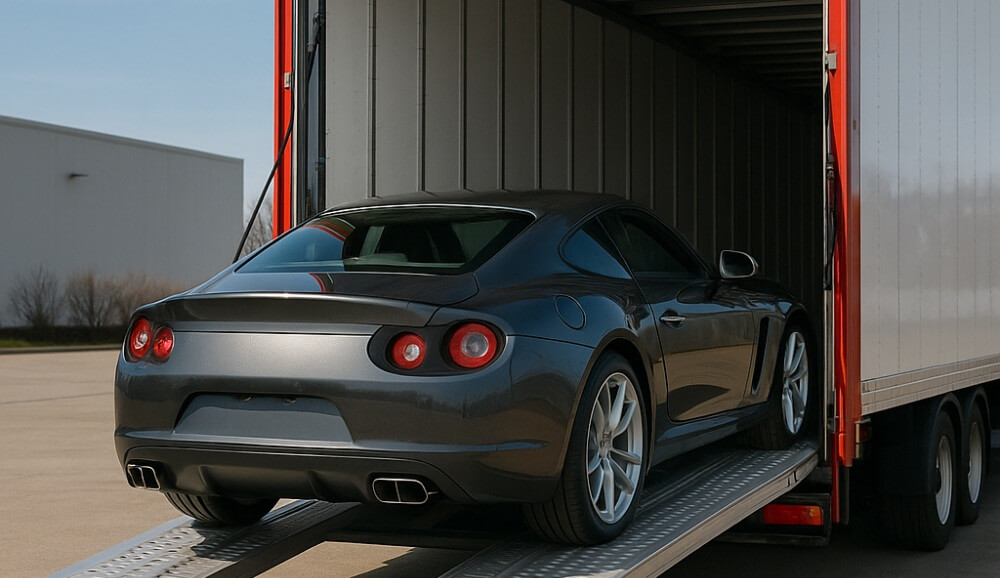
Enclosed transport costs more because it gives your vehicle a higher level of protection and uses a more limited carrier network.

The higher price usually comes from:

  • Fewer enclosed trailers available
  • Lower vehicle capacity per trailer
  • Extra protection from weather and road debris
  • Higher demand for luxury, classic, and specialty cars
  • More careful loading and handling
  • Specialized equipment for low-clearance vehicles
  • Higher carrier operating costs

The extra cost is not always necessary, but it can make sense when the vehicle’s value or condition makes protection more important than price.

How to Save Money on Enclosed Auto Transport

Enclosed shipping costs more than open transport, but there are still ways to manage the price.

  • Book early enough to compare options.
  • Stay flexible with pickup and delivery dates when possible.
  • Avoid peak shipping periods if your timing allows.
  • Use accessible pickup and delivery locations.
  • Remove personal items from the vehicle.
  • Compare open and enclosed transport before deciding.
  • Be cautious with quotes that seem far below the market.
  • Confirm what is included before booking.
  • Avoid expedited shipping unless it is truly needed.

The cheapest quote is not always the best choice, especially for high-value vehicles. Look at protection, communication, carrier quality, timing, and what is included in the service.

For more savings ideas, read our guide on the cheapest way to ship a car.

What to Avoid Before Enclosed Car Shipping

Before your vehicle is picked up, avoid mistakes that can create delays, added costs, or coverage issues.

Do not:

  • Pack valuables inside the vehicle.
  • Load the car with heavy personal items.
  • Block windows or driver visibility.
  • Leave loose items inside the cabin.
  • Ignore insurance or coverage details.
  • Accept a quote without checking what is included.
  • Skip pickup and delivery photos.
  • Forget to inspect the vehicle at delivery.

Before pickup, clean the vehicle, take photos, remove personal items, confirm fuel-level requirements, and review the Bill of Lading during inspection.

For a full preparation list, use our car shipping checklist before pickup day.

Enclosed Auto Transport Cost by Route

These examples show how enclosed transport pricing can vary by route and vehicle type. Actual prices may change based on timing, trailer type, carrier availability, pickup and delivery access, and vehicle details.

Choose Item

Vehicle Type

:

Standard sedan

Transport Type

:

Enclosed

Estimated Cost Range

:

$900–$1,800

Vehicle Type

:

Luxury sedan

Transport Type

:

Enclosed

Estimated Cost Range

:

$1,500–$3,500

Vehicle Type

:

Classic car

Transport Type

:

Enclosed

Estimated Cost Range

:

$1,800–$4,000

Vehicle Type

:

Exotic car

Transport Type

:

Enclosed

Estimated Cost Range

:

$2,500–$6,000+

These are planning examples. For a more accurate price, compare enclosed auto transport options based on your actual route, vehicle, date, and transport needs.

Should You Choose Enclosed or Open Auto Transport?

The right choice depends on your vehicle, budget, and protection needs.

Choose Item

Choose Enclosed Transport If...

:

You are shipping a high-value vehicle

Choose Enclosed Transport If...

:

You want added protection from weather and road debris

Choose Enclosed Transport If...

:

The vehicle is classic, exotic, antique, or restored

Choose Enclosed Transport If...

:

The vehicle has custom paint or special handling needs

Choose Enclosed Transport If...

:

Vehicle condition and protection matter more than price

If your car is replaceable and used daily, open transport is usually enough. If the vehicle is rare, expensive, restored, or sentimental, enclosed transport may be the smarter choice.

How to Compare Enclosed Auto Transport Companies

When comparing enclosed transport options, do not choose based only on the lowest price. A good quote should make the service, timing, protection level, and pickup/delivery expectations clear.

Before choosing a company, check:

  • Whether the quote is for open or enclosed transport
  • Whether the trailer is soft-sided, hard-sided, liftgate, or climate-controlled
  • Pickup and delivery windows
  • Insurance or cargo coverage details
  • Vehicle inspection process
  • Communication before pickup
  • Carrier availability on your route
  • What happens if the pickup window changes
  • Customer reviews and service history

If the price seems unusually low, ask what is included and whether the shipment has already been accepted by a carrier. In auto transport, a low quote does not always mean faster or better service.

How iMoving Helps You Compare Car Shipping Options

iMoving helps customers compare moving and vehicle shipping options based on route, date, service type, and move needs. If you are planning a long-distance move and also need to ship a vehicle, you can review car shipping as part of your overall relocation plan.

You can use iMoving to:

  • Compare car shipping and moving services.
  • Review pricing based on your route and vehicle details.
  • Understand the difference between open and enclosed transport.
  • Plan related services such as packing, storage, or long-distance moving.
  • Book moving-related services online with more confidence.

Ready to compare options? Start with your vehicle, route, and preferred transport type to review available car shipping choices.

FAQs About Enclosed Auto Transport Cost

Enclosed auto transport usually costs about $1,000 to $2,500 for many standard shipments. Shorter hauls may cost around $400 to $1,500, while cross-country or specialty vehicle shipments can cost $2,000 to $6,000 or more.

Enclosed transport usually costs 30% to 60% more than open transport. The higher price comes from added vehicle protection, fewer enclosed carriers, special trailer equipment, and higher demand for high-value or specialty vehicle shipping.

Enclosed car shipping is usually worth it for luxury, classic, exotic, antique, restored, or high-value vehicles. It provides extra protection from weather, road debris, and exposure. For standard daily-use vehicles, open transport is often the more affordable choice.

The cheapest way to use enclosed shipping is to compare quotes early, stay flexible with pickup and delivery dates, avoid peak periods, choose accessible locations, and avoid special trailer requirements unless your vehicle truly needs them.

Yes, many enclosed carriers can handle low-clearance vehicles, but you may need liftgate loading or special equipment. Mention the vehicle’s clearance and any modifications before booking so the right trailer can be assigned.


Author of the article

George Marks

A copywriter with a knack for adapting quickly, thanks to moving all across the US when I was growing up. Currently, I continue to embrace new cities for work, each move adding a new chapter to my story and expanding my perspective both personally and professionally. In my free time, I enjoy things like tennis, building computers, and writing engaging stories in a professional setting.

Get all moving services you need in one place

Shop Our Services