If you need storage as part of your move, iMoving can help you compare moving and storage services, estimate moving costs, and plan your move with less guesswork.
How Much Do Climate-Controlled Storage Units Cost?
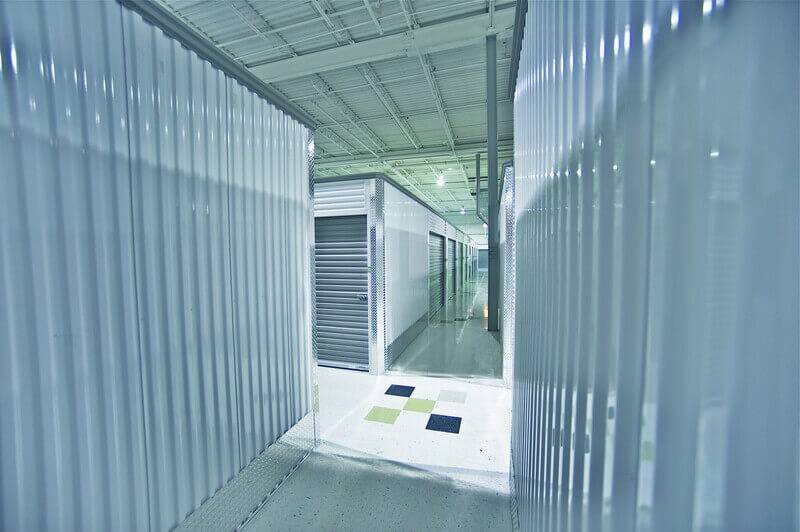
Climate-controlled storage units usually cost between $60 and $1,000+ per month, depending on unit size, location, storage length, availability, and facility features. A 10x10 climate-controlled unit may cost anywhere from about $70 to $710 per month in major cities. Climate control can be worth the added cost when you need to protect furniture, electronics, documents, artwork, clothing, musical instruments, antiques, or other sensitive items during a move.
In this article:
- Climate-Controlled Storage Cost at a Glance
- Climate-Controlled Storage Unit Cost by Size
- Climate-Controlled Storage Cost by City
- Standard Storage vs Climate-Controlled Storage
- What Affects Climate-Controlled Storage Unit Cost?
- Do You Need Climate-Controlled Storage?
- Where Climate-Controlled Storage Is Most Useful
- Is Climate-Controlled Storage Worth the Extra Cost?
- How to Save Money on Climate-Controlled Storage
- How iMoving Helps With Moving and Storage
- FAQ: Climate-Controlled Storage Unit Cost
Climate-Controlled Storage Cost at a Glance
Climate-controlled storage costs more than standard storage in many cases, but the price difference can be worth it if your items are sensitive to heat, cold, humidity, dryness, or long-term exposure.
Choose Item
Quick answer
$60 to $1,000+ per month
Quick answer
About $70 to $710 per month, depending on city and facility
Quick answer
Unit size, location, facility features, climate/humidity control, rental length, and demand
Quick answer
Furniture, electronics, photos, documents, art, instruments, antiques, clothing, and collectibles
Quick answer
Standard storage for durable items that are not temperature or humidity sensitive
These are planning ranges. Actual storage prices can vary by city, facility, availability, access type, rental term, insurance, and seasonal demand.
Climate-Controlled Storage Unit Cost by Size
Unit size is one of the biggest factors in storage cost. Larger units cost more because they take up more space and require more controlled air volume.
Choose Item
Best for
Small boxes, documents, seasonal items, collectibles
Estimated monthly cost
$60–$150
Best for
Studio items, boxes, small furniture, lamps
Estimated monthly cost
$100–$250
Best for
1-bedroom apartment items, furniture, appliances
Estimated monthly cost
$150–$400
Best for
2-bedroom apartment items, larger furniture
Estimated monthly cost
$200–$500
Best for
3-bedroom home items or vehicle storage
Estimated monthly cost
$250–$650
Best for
Larger household storage
Estimated monthly cost
$300–$800
Best for
Large home storage or business storage
Estimated monthly cost
$350–$1,000
Important note: If you are storing items during a move, do not choose size based only on square footage. Think about furniture, boxes, fragile items, walk space, stacking limits, and how long your items will stay in storage.
Climate-Controlled Storage Cost by City
Storage prices can change a lot by city. Dense cities, high-demand areas, and places with extreme weather often have higher prices for indoor or climate-controlled units.
Choose Item
10x10 climate-controlled unit cost
$144–$660
10x10 climate-controlled unit cost
$99-$247
10x10 climate-controlled unit cost
$82-$337
10x10 climate-controlled unit cost
$149-$281
10x10 climate-controlled unit cost
$90-$710
10x10 climate-controlled unit cost
$79-$320
10x10 climate-controlled unit cost
$70-$315
10x10 climate-controlled unit cost
$91-$348
Climate-controlled storage may cost more in areas with high humidity, extreme heat, freezing winters, coastal salt air, or large seasonal temperature swings. In some cities, prices are also higher because indoor storage space is limited.
Standard Storage vs Climate-Controlled Storage
A standard storage unit may work for durable items, but climate-controlled storage is better when your belongings can be damaged by temperature changes or moisture.
Choose Item
Standard storage
Usually no
Climate-controlled storage
Yes, usually maintained within a controlled range
Standard storage
Usually no
Climate-controlled storage
Sometimes, depending on the facility
Standard storage
Tools, outdoor gear, durable plastic bins, patio items
Climate-controlled storage
Furniture, electronics, documents, photos, art, instruments, antiques
Standard storage
Usually lower
Climate-controlled storage
Usually higher
Standard storage
Basic protection from weather and access
Climate-controlled storage
Better protection from heat, cold, humidity, and temperature swings
Before booking, ask whether the facility controls only temperature or both temperature and humidity. Not every “climate-controlled” unit includes humidity control.
What Affects Climate-Controlled Storage Unit Cost?
The final monthly price depends on more than unit size. Facility type, location, demand, and extra features can all affect cost.
Choose Item
Why it matters
Larger units usually cost more because they require more space and climate control.
Why it matters
Dense or high-demand areas often have higher storage prices.
Why it matters
Indoor units may cost more but can offer better protection and security.
Why it matters
Facilities that manage humidity may cost more than temperature-only units.
Why it matters
Long-term rentals may qualify for discounts, but short-term storage may have fewer deals.
Why it matters
Prices may rise during busy moving months or in markets with limited availability.
Why it matters
Gated access, cameras, on-site staff, and controlled entry can affect price.
Why it matters
Some facilities require or offer storage insurance or protection plans.
Why it matters
Packing, pickup, delivery, and storage coordination can change the total moving cost.
Do You Need Climate-Controlled Storage?
You may need climate-controlled storage if you are storing sensitive items, moving during extreme weather, using storage for several months, or storing items in a humid, coastal, very hot, very cold, or very dry region.
Climate-controlled storage is usually a good idea if you are storing:
Choose Item
Why climate control helps
Helps reduce warping, cracking, swelling, and splitting.
Why climate control helps
Helps reduce heat and moisture damage.
Why climate control helps
Helps reduce mold, fading, and paper deterioration.
Why climate control helps
Helps prevent fading, warping, and moisture damage.
Why climate control helps
Helps protect wood, strings, adhesives, and sound quality.
Why climate control helps
Helps preserve condition and long-term value.
Why climate control helps
Helps reduce mold, mildew, and odor risk.
Why climate control helps
Helps prevent melting, warping, and heat damage.
Why climate control helps
Helps reduce damage from extreme temperatures.
A standard unit may be enough for durable items like tools, outdoor gear, patio furniture, plastic bins, or short-term storage of non-temperature- or humidity-sensitive items.
Where Climate-Controlled Storage Is Most Useful
Climate-controlled storage is most useful in places with extreme heat, freezing winters, high humidity, very dry air, coastal salt air, or large seasonal temperature swings.
Common examples include:
- Southeastern U.S.: high humidity, heat, and mold risk
- Northeastern U.S.: cold winters and seasonal temperature changes
- Southwestern U.S.: extreme heat and dry air
- Coastal areas: humidity and salt air that may damage wood, fabric, metal, and electronics
- Dense urban areas: limited apartment space and higher demand for indoor storage
If you are moving to or from one of these areas, climate-controlled storage may be especially helpful during a delayed move-in, long-distance move, downsizing move, or temporary housing situation.
Is Climate-Controlled Storage Worth the Extra Cost?
Climate-controlled storage is usually worth the extra cost when you are storing valuable, fragile, sentimental, wooden, paper, fabric, electronic, or moisture-sensitive items. It may not be necessary for short-term storage of durable items that can handle normal temperature changes.
Choose Item
Recommendation
Standard storage may be enough
Recommendation
Climate-controlled storage is safer
Recommendation
Choose climate control
Recommendation
Choose climate control
Recommendation
Compare standard and climate-controlled options
Recommendation
Choose climate control or ask the facility before booking
If the price difference is small, climate-controlled storage is often the better choice for long-term protection.
How to Save Money on Climate-Controlled Storage
Climate-controlled storage can be worth it, but you do not want to pay for more space than you need.
Ways to save:
- Choose the smallest unit that fits your items safely.
- Declutter before renting storage.
- Compare prices across nearby facilities.
- Ask about first-month promotions or long-term discounts.
- Avoid climate control for items that do not need it.
- Use uniform boxes or bins to stack more efficiently.
- Disassemble furniture when possible.
- Pack fragile and sensitive items correctly before storing.
- Avoid storing items you could sell, donate, or discard before the move.
If storage is part of a larger move, use the iMoving moving cost calculator to estimate how storage, packing, moving labor, and transportation may affect your overall cost.
How iMoving Helps With Moving and Storage
Storage needs often come up during long-distance moves, delayed move-in dates, downsizing, temporary housing, apartment transitions, and moves that require packing or flexible delivery timing.
iMoving helps customers compare moving-related services in one place, including:
- Storage services
- Packing services
- Long-distance moving
- Moving labor
- Moving boxes
- Moving cost estimates
- Moving checklists
If you are not sure whether you need storage, start by entering your move details and reviewing your options based on your route, move size, date, and service needs.
FAQ: Climate-Controlled Storage Unit Cost
Climate-controlled storage usually costs between $60 and $1,000+ per month, depending on unit size, city, availability, facility features, rental length, and whether the unit includes temperature control, humidity control, or both.
Yes. Climate-controlled storage usually costs more than standard storage because it helps regulate temperature and, in some facilities, humidity. The price difference depends on the facility, location, unit size, and level of climate protection.
A 5x5 unit works for small boxes and documents. A 5x10 unit may fit studio items. A 10x10 unit often fits items from a one-bedroom apartment. Larger units like 10x15, 10x20, or 10x30 are better for multi-room homes or larger household storage.
Electronics, wood furniture, photos, documents, artwork, instruments, antiques, clothing, books, and collectibles are better candidates for climate-controlled storage, especially in hot, humid, cold, coastal, or long-term storage conditions.
Climate control is usually a good idea for wood, leather, upholstered, antique, or high-value furniture. Heat, cold, and humidity can cause furniture to crack, swell, warp, fade, or develop mold.
Some facilities control both temperature and humidity, while others only manage temperature. Always ask the storage facility what “climate-controlled” includes before renting.
It depends on what you are storing. For durable items, standard storage may work for short periods. For furniture, electronics, documents, art, photos, or sentimental items, climate control can still be worth it even for short-term storage.
Yes. iMoving helps customers compare moving-related services, including storage, packing, long-distance moving, moving labor, and moving cost estimates based on their needs.

George Marks
George Marks
Get all moving services you need in one place
Shop Our Services